How Long Does It Take to Recover From a Root Canal?
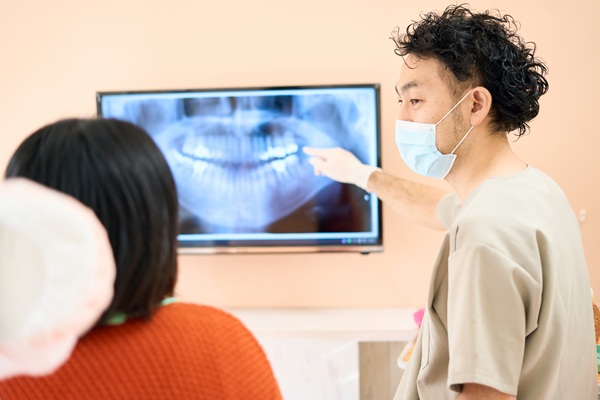
A root canal restores a damaged or infected tooth without removing it, and recovery usually proceeds smoothly with the right care. Mild tenderness is common as the tissues calm down, especially when chewing or when the tooth is touched. Good oral hygiene, smart food choices, and timely follow-up help the tooth feel normal again. Because each case differs, recovery can range from a few days to about a week. Understanding the process, expected sensations, and warning signs removes worry and builds confidence in daily care after root canal treatment.
What to expect after treatment
During root canal therapy, the dentist removes inflamed pulp, disinfects the canals, and seals the space to protect against bacteria. After the appointment, the area may feel bruised because the ligaments that hold the tooth worked hard during treatment. Over-the-counter pain medication taken as directed usually manages symptoms. Choose the opposite side for chewing for one to two days, and avoid very hot or cold items that might trigger sensitivity. Brush and floss as usual, but move gently around the treated tooth the first day. If a temporary filling or crown is present, avoid sticky foods that could dislodge it until we place the permanent restoration.
Typical healing timeline
While a patient's healing process can vary per their oral health and needs, here is a common timeline for the healing process:
- Day one to two: Expect mild soreness, tender gums, and occasional zingers when biting down. A soft diet—eggs, yogurt, pasta, and steamed vegetables—reduces pressure on the tooth.
- Days three to five: Symptoms typically fade. Many people notice the tooth only when biting on something firm or cold. Continue normal brushing, flossing, and fluoride toothpaste to support healing.
- One week and beyond: The tooth should feel stable and comfortable. Schedule the final crown if recommended, because a restored outer shell reinforces the tooth under daily chewing forces.
Complex roots, large infections, or clenching habits may delay recovery. If pain increases rather than eases, or if swelling appears, contact the office for evaluation. Prompt care prevents setbacks and protects the investment in treatment.
Speed up recovery at home.
- Take prescribed or over-the-counter medication as directed; avoid aspirin for children and teens.
- Keep the area clean by brushing gently at the gumline and flossing with care.
- Choose soft, nourishing foods, and cut firmer foods into small pieces.
- Stay hydrated, and limit alcohol and tobacco, which can slow healing.
- Use a cold compress on the cheek for 10 minutes at a time to reduce swelling.
- Wear a night guard if clenching or grinding causes morning soreness.
These steps reduce irritation, support the restoration, and help a root canal feel normal sooner.
When to call the dentist
Call if pain worsens after day three, swelling spreads, or the bite feels high. Report fever, a pimple-like bump on the gums, or a loose temporary restoration. These signs can indicate lingering inflammation or a new issue, and prompt attention helps preserve comfort and function. With careful home care and timely follow-up, most people feel comfortable within a week after a root canal, then complete the final crown for long-term strength. For more information or to schedule an appointment, call our office.
To schedule a consultation, please request an appointment on our website at https://www.dentistofsantamonica.com or call Cosmetic Dental Care of Santa Monica at (310) 570-2011 to arrange an appointment at our Santa Monica office.
Check out what others are saying about our dental services on Yelp: Root Canal in Santa Monica, CA.
Related Posts
Root canal infections occur when bacteria reach the central canals of your teeth due to exposure from taking a blow to the mouth or tooth decay. A root canal is a procedure performed for the purpose of repairing or salvaging a seriously decayed tooth or a tooth that has been severely infected. During a root…
When a sudden toothache or injury occurs, an emergency dentist provides the necessary intervention to save a smile before you experience permanent damage or worsening pain. Dental emergencies often arise without warning. They require an experienced dental professional who can manage immediate trauma with precision and expertise to restore your comfort and long-term dental health.Dental…
Wondering what an emergency dentist can do for you? Read on to learn more about this type of dental health professional. Dental emergencies can arise unexpectedly, causing significant discomfort and anxiety. An emergency dentist can help in such cases. They provide immediate care and relief by addressing urgent dental problems that cannot wait for a…
A restorative dentist repairs damage to teeth and the supporting structures of teeth. They aim to improve the appearance, health, and function of the patient’s smile. Many offer a range of services and can address concerns such as damage to teeth enamel, gum complications, and jaw misalignment concerns.Many people visit a restorative dentist to address…