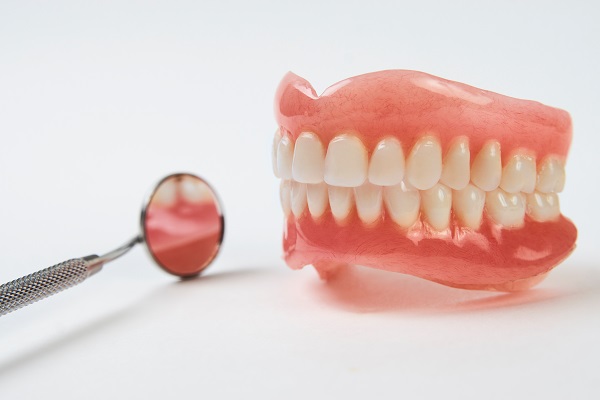
Let's cut to the root of the matter: wearing loose dentures is uncomfortable, dangerous, and often a source of embarrassment for their wearers - mainly when speaking or enjoying a meal.
Many patients don't realize the potential long-term impact of wearing loose dentures or that they don't have to spend months or years dealing with ill-fitting and uncomfortable ones.
How do they become loose?
The number-one cause of loose dentures is called bone resorption. They work by gripping the patient's gum line, allowing for a snug and natural fit. Unfortunately, because the jaw is no longer actively being used to secure and support the teeth, both the jaw and gums begin to recede over time.
This is the process referred to as bone resorption and the leading cause of looseness. While practicing good oral health can slow this process, many patients will still suffer denture discomfort because of the phenomena at some point in their lives.
What are the risks?
There are many severe downsides to living with loose dentures. These include long and short-term health issues, as well as social embarrassment and discomfort during daily activity.
Other common issues:
- Inflamed and painful gums
- Frequent oral sores
- Persistent headaches due to an uneven bite
- Nutrient deficiencies due to difficulty eating
- Advanced bone resorption in the jaw
More severe health risks include an increased risk of oral cancer and fungal infections of the mouth.
Other considerations
Many of our patients also report loss of confidence and self-esteem when they experience this looseness. Patients' discomfort and embarrassment when their dentures become dislodged at inopportune moments can cause significant mental distress and social anxiety.
Some patients suffering from looseness also notice undesired changes to their facial structure and appearance. This occurs because the teeth (and, by extension, dentures) play a vital role in supporting and "rounding out" the cheeks. Patients with looseness may notice sunken or depressed cheeks and other facial features.
Another social consequence of this looseness be a change in speech. Dentures that have excess movement in the mouth or become easily dislodged often cause lisps, slurred speech, difficulty pronouncing certain words, and excessive salivation when speaking.
How to tell if yours are loose
We always suggest scheduling an appointment with your dental specialist for the most precise diagnosis, but you may be suffering from loose dentures if you frequently:
- Experience gagging due to denture movement.
- Have red or swollen gums.
- Readjust them when speaking or eating.
- Struggle to bite or chew properly.
- Notice an increase in slurring, lisping, or salivating during speech.
Other less frequent symptoms include:
- Changes to appearance and facial structure
- Pressure sores
- Angular Cheilitis
- Stomatitis
- Advanced bone resorption
- And more
Luckily, this all can be treated by a skilled dental professional. While irritating, loose dentures are by no means uncommon, giving rise to various effective treatments.
Request an appointment here: https://www.dentistofsantamonica.com or call Cosmetic Dental Care of Santa Monica at (310) 570-2011 for an appointment in our Santa Monica office.
Check out what others are saying about our dental services on Yelp: Dentures in Santa Monica, CA.
Related Posts
If you wear dentures, you understand how important of a role they play in your life. Not only do dentures make eating easier, but dentures will help you with speaking and to tackle all your day-to-day activities. Your dentures are a part of you, so it is no wonder why you may feel a surge…
Dental sedation is used by many general dentists for procedures that potentially cause discomfort. Many patients are appreciative of dental sedation, as it offers a more comfortable and less painful treatment process, and knowing that they will receive dental sedation helps many deal with dental anxiety before the procedure begins.There are many benefits to dental…
Regular checkups and cleanings with a family dentist are important ways to prevent cavities and tooth decay. However, there are effective strategies that can help you protect your teeth and maintain your oral health in between appointments. The following tips from a family dentist can create a proper oral hygiene routine and reduce the risk…
A root canal restores a damaged or infected tooth without removing it, and recovery usually proceeds smoothly with the right care. Mild tenderness is common as the tissues calm down, especially when chewing or when the tooth is touched. Good oral hygiene, smart food choices, and timely follow-up help the tooth feel normal again. Because…